Short Form Video Ads: The 2026 Playbook | RemotionAI Blog
short form video ads · social video ads · TikTok ads · AI video generation · video ad strategy
Master short form video ads with proven creative frameworks, platform specs, and AI production workflows to scale high-converting social campaigns.
In 2025, one market report valued short-form video advertising at $14.7 billion and projected it to reach $67.8 billion by 2034, with an 18.3% CAGR. The same report found that in-feed ads generated 42.5% of revenue, a useful reminder that the opportunity isn't just “video on social.” It's native video designed for the feed, the device, and the way people watch. (MarketIntelo)
Short form video ads have moved from experimental social placements into structured media buying. The teams getting efficient results aren't just making shorter commercials. They're building platform-specific assets, testing the first seconds aggressively, and using production systems that can create meaningful variations without turning every edit into a manual project.
The Economics of Short Form Video Ads
The budget shift is already substantial. A 2026 marketing statistics summary citing Statista-based data reported $111 billion in short-form digital video ad spending in 2025, up from $99.43 billion in 2024, and projected $157.5 billion by 2029. That projection represents a 41.9% increase from 2025 levels. (DataIntelo)
Those figures change how performance marketers should define the format. A short-form ad isn't merely a television commercial compressed into a smaller file. It usually appears inside a scrolling, mobile-first environment, competes with creator content, and needs to communicate before the viewer has consciously decided to watch. Native pacing, immediate context, captions, and visual continuity matter more than polished brand introductions.
Practical rule: If the asset looks like it belongs between two organic posts, it has a chance to earn attention. If it looks like an interruption imported from another channel, the media buy has to work much harder.
In-feed inventory now dominates the market category, which makes placement a creative decision, not a trafficking detail. A product demonstration, a founder explanation, and a direct-response offer may all use video, but they need different openings and different levels of branding. The strongest teams treat the ad as a modular system, with hooks, proof points, product frames, and calls to action that can be recombined for each placement.
Platform Specs and Vertical Geometry
Start with the canvas, not the script. TikTok's current in-feed specifications require vertical 9:16 video with a minimum resolution of 540×960 pixels. Its advertising policies also allow 9:16 and 1:1, but vertical remains the sensible default for full-screen mobile delivery. (TikTok in-feed specifications, TikTok ad format policy)
Instagram Reels and YouTube Shorts also rely on full-screen vertical behavior, so create a native vertical master rather than cropping a horizontal edit at the end. Keep faces, product details, subtitles, and the primary claim inside a center-safe area. Interface controls and captions can cover the lower and side edges, and a beautifully framed product can become unreadable after delivery.
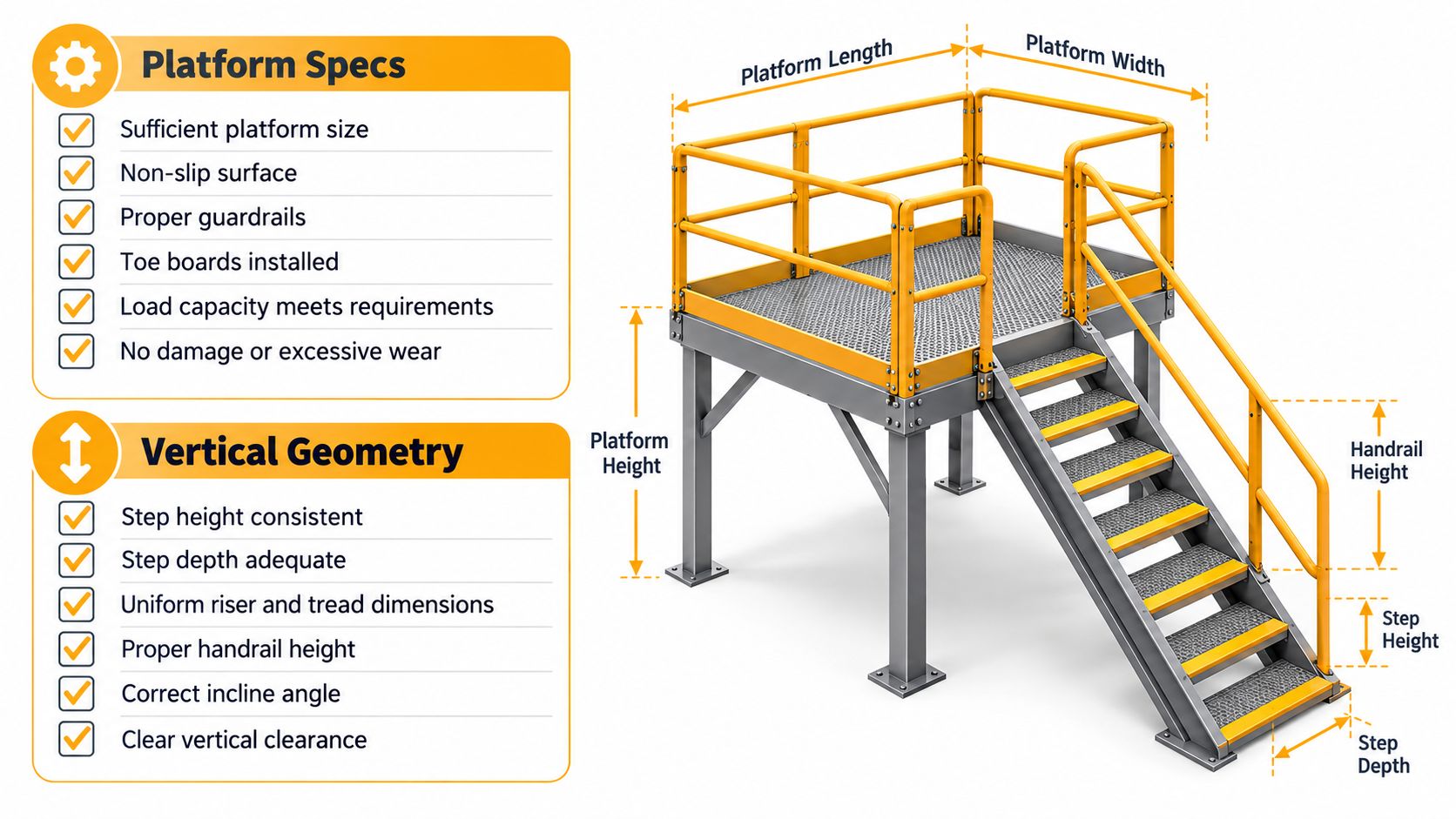
Google's reported results show why this matters. Adding a vertical asset to a Demand Gen campaign drove more than a 35% increase in conversions on Shorts. Adding vertical video to Video View and Video Reach campaigns increased view-through rate by over 40%, viewability by over 45%, and average watch time by 20%. (Google findings via the cited industry research)
Before expanding into connected inventory, review the creative differences involved in running ads on Prime Video. For social placements, use the vertical video dimensions guide to document exports, safe zones, and responsive crops for your team.
Creative Frameworks for High Retention
Shorter doesn't automatically mean better. It means every frame has to earn its place.
A six-second cut should deliver one idea: a problem, a visual proof point, and a memorable brand or product cue. Open on the consequence rather than the logo, show the product in use, then land the benefit before the final frame. A 15-second cut can support a more complete sequence: hook, tension, demonstration, objection handling, and CTA.
A Magna/IPG Media Lab study reported that six-second ads produced the same recall as 15-second ads, while increasing brand preference by 9% and purchase intent by 5%. Viewers were also more likely to describe the longer ad as intrusive. (Buffer summary of the study)
| Cut | Best use | Structure |
|---|---|---|
| Six seconds | Fast reach and repeated exposure | Pattern interrupt, proof, brand cue |
| 15 seconds | Consideration and product detail | Hook, demonstration, payoff, CTA |
Don't confuse speed with frantic editing. Use a clear visual change when the message changes, and place captions on screen early enough to work without audio. A hard CTA belongs after the viewer understands the value, not before it.
For more practical testing ideas, the SourceLoop ad optimization tactics resource is useful when turning these creative principles into paid-social experiments.
AI Production Workflows with RemotionAI
Manual timeline editing becomes a bottleneck when each winning concept needs multiple hooks, lengths, crops, and product angles. A code-based workflow makes those variations easier to manage because the composition, timing, text, and brand rules remain editable rather than trapped in a single rendered file.
With RemotionAI, a marketer can describe a concept in natural language and generate real Remotion React code. The workflow can include ElevenLabs voiceovers, synchronized audio, background music, and animated word-by-word captions. Upload brand assets, define style presets, and keep logos, colors, and layout behavior consistent across iterations.
A practical production loop looks like this:
- Write the brief: Specify audience, offer, hook, proof, CTA, and target placement.
- Generate the composition: Let the system create scenes, transitions, captions, and audio timing.
- Review the first seconds: Check whether the opening works without context or sound.
- Create controlled variants: Change one hook, product shot, or CTA at a time.
- Render and refine: Export a 1080p vertical video, then download the source
.tsxfile if deeper customization is needed.
The RemotionAI and Claude workflow offers useful context on this code-first approach. The advantage isn't removing creative judgment. It's making iteration cheap enough that judgment can operate on a real set of alternatives.
Measuring Impact and Testing Variables
Raw views are distribution signals, not business outcomes. Start by separating the job of the ad. Upper-funnel creative needs attention, retention, and brand memory. Lower-funnel creative needs meaningful product engagement, clicks, research behavior, and purchase signals.
Completion behavior deserves close attention. Independent measurement research found that ads shown within short-form video environments completed at a rate of 67%, demonstrating that retention can differ materially from other video contexts. (UMass measurement study)
YouTube Shorts meta-analysis also found an 8.8% lift in purchase intent across 20 campaigns and 5,802 respondents. That result supports testing Shorts for more than awareness, while still leaving an important question for each account: did the creative generate intent because of its message, its native behavior, or both? (Kapwing analysis)
Test variables independently:
- Hook: Compare a problem opener with an outcome opener.
- Pacing: Hold the same script while changing cut frequency.
- Audio reliance: Test voice-led creative against caption-led creative.
- CTA: Separate education and product research from direct conversion asks.
Use the social media video ads measurement guide to build a reporting view that connects retention with downstream action, rather than rewarding the cheapest impressions.
The Myth of the Universal Cross-Platform Asset
“One vertical cut everywhere” sounds efficient until the placement changes the viewing behavior. Recent analysis of 1,098 video ads found that YouTube creative skewed heavily toward videos longer than 61 seconds, while TikTok leaned toward 31 to 60 seconds. SmartNews and Yahoo favored horizontal or square formats, which shows why a single vertical export won't transfer cleanly across every inventory type. (PR Times analysis)
The same product story may need different treatment by platform:
- TikTok: Lead with the most native visual interruption and make the premise understandable immediately.
- Reels: Preserve a polished visual identity, but keep the edit compatible with feed behavior.
- YouTube Shorts: Make the standalone payoff clear while supporting a deeper product journey when relevant.
- News-feed placements: Reconsider aspect ratio, text density, and the amount of information visible before a tap.
Industry guidance commonly places short-form social videos in the 15- to 60-second range, with 15 to 30 seconds often used as an operating window for scripts and CTAs. (Hootsuite guidance) Treat that as a starting point, not a universal rule.
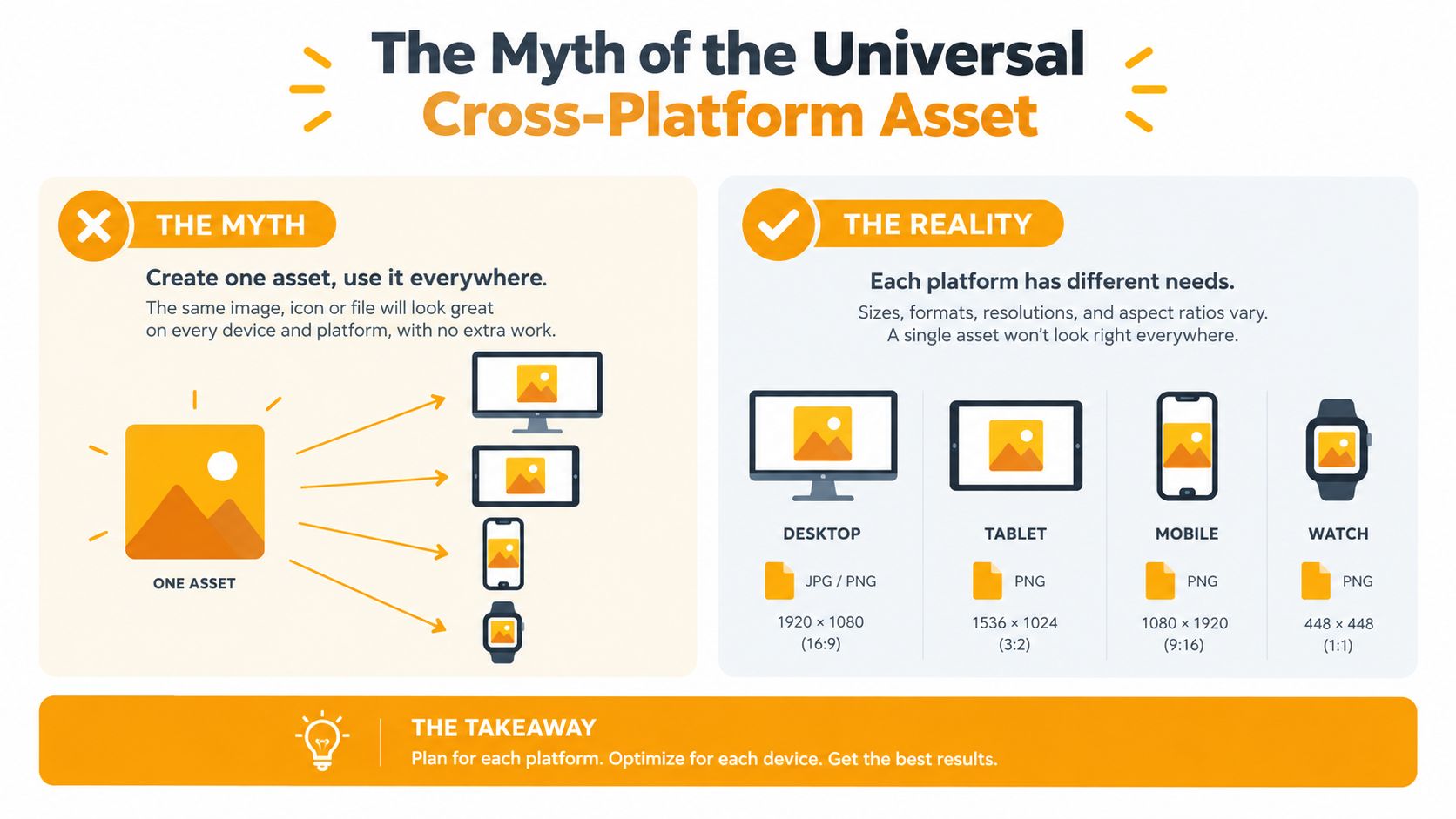
Build a platform checklist before launch: aspect ratio, safe zone, opening frame, caption treatment, audio assumption, CTA placement, and landing-page continuity. Then test the creative variations within the placement where they will run. That's how you learn whether a concept works, rather than merely discovering that one export was distributed more cheaply.
RemotionAI turns plain-language briefs into platform-ready videos with editable Remotion React code, voiceovers, captions, brand controls, and rapid vertical rendering. Use RemotionAI to create controlled short form video ad variations, validate platform fit, and keep your production pipeline moving as your winning concepts evolve.